 Affordable Plumbing
Understanding the Causes of Slow Heating in Your Water System
If your water heater takes too long to heat water, it can be frustrating. You expect hot water on demand, but instead, you find yourself waiting longer than usual. Various factors could cause this delay, from simple issues like sediment buildup to more complex problems such as electrical faults or outdated systems. Understanding these causes can help you identify solutions and ensure your water heater functions efficiently.
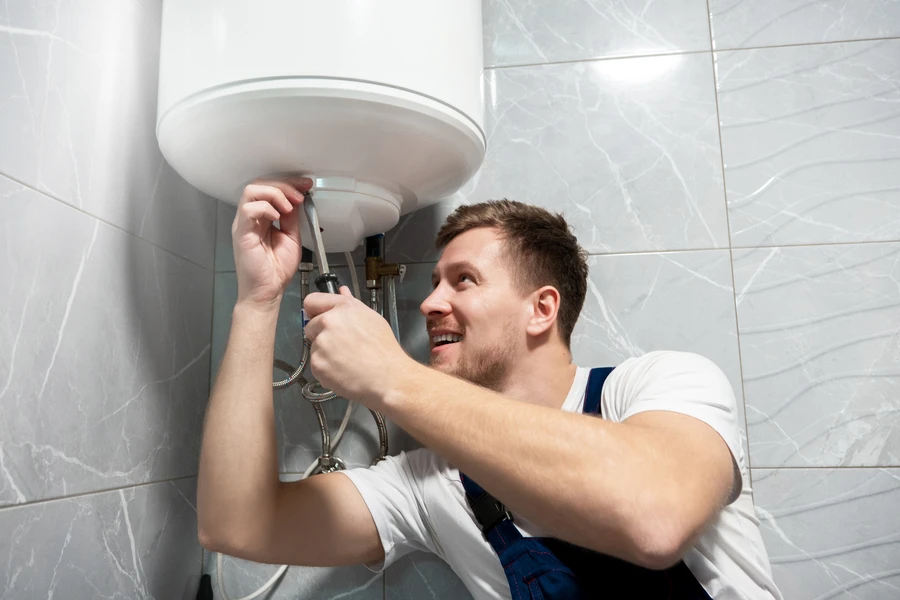
Sediment Buildup in the Tank
Over time, minerals in your water can settle at the bottom of your tank, forming a layer of sediment. This buildup acts as an insulator between the heating element and the water, causing your heater to work harder and slower. Regular maintenance, including flushing the tank, can help reduce sediment accumulation and improve heating performance.
Inadequate Power Supply
A common issue that affects heating time is insufficient power supply. If your heater’s power source does not provide enough energy, it will take longer to reach the desired temperature. This problem might require professional intervention for a thorough assessment and possible water heater repair to ensure that the system gets adequate power.
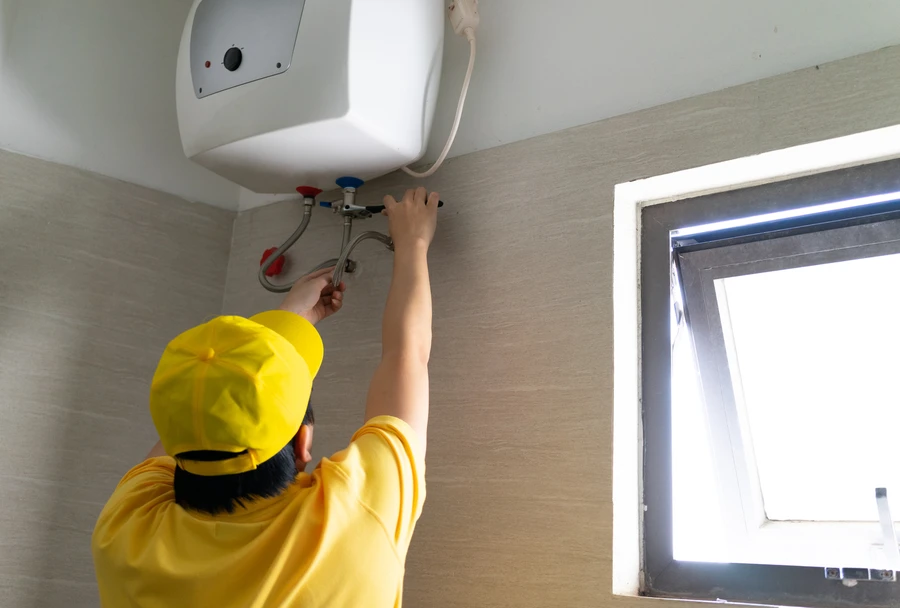
Element Failure in Electric Heaters
Electric water heaters use elements to warm up the water. A faulty element can significantly slow down heating times. Identifying and replacing a malfunctioning element might require expert help. In some cases, a comprehensive water heater repair could resolve underlying issues affecting the efficiency of your heating system.
Thermostat Malfunction
The thermostat controls the temperature level in your water heater. A malfunctioning thermostat may misread temperatures, leading to inadequate heating. Resetting or replacing the thermostat typically fixes this issue. Ensure that you choose a setting that meets your household needs without overworking the system.
Pipes Affecting Water Temperature
Your plumbing system plays a role in how quickly hot water reaches your taps. Insulated pipes help maintain temperature, while exposed or uninsulated ones might lose heat along the way. Upgrading insulation can prevent heat loss and speed up delivery time when you turn on your faucets.
Heater Capacity and Household Demand
Sometimes, the problem lies with how much hot water your household uses compared to what your heater can produce. If demand exceeds capacity, you might need an upgrade. Consider a larger unit or even a tankless model that heats water on demand and eliminates wait times altogether.
The Role of Routine Maintenance
Regular maintenance ensures that your water heater remains efficient over time. Routine checks by professionals can identify potential issues before they escalate into significant problems. Keeping an eye on wear-and-tear parts will extend the life of your heater and keep it running smoothly.
Act Now for Efficient Hot Water Solutions
For professional advice and service tailored to your needs, contact me at (708) 306-9395. As someone located in Brookfield, IL, I am committed to offering top-quality care that addresses all aspects of hot water efficiency. Whether it’s troubleshooting existing issues or upgrading systems for better performance, Affordable Plumbing has the expertise you’re looking for.